BALMOREX PRO.com
HealthTrends
Trending in

Ancient Chinese Joint Pain Formula Resurfaces After 800 Years — And It's Not What Doctors Expected


Summary: New topical balm combines forgotten medicinal ratios that researchers say could explain why millions waste money on treatments that barely work.
Your doctor hands you the same prescription he’s been writing for 30 years. Take twice daily. Don’t exceed the maximum dose. Watch for stomach bleeding.
Your knees hurt again in 2 hours.
Welcome to modern pain management: expensive pills that damage your organs, physical therapy that costs a fortune and stops working the minute you leave, and topical creams that tingle for ten minutes before your knee hurts exactly the same as before.
None of it actually fixes anything.
Because modern treatments only target one problem—inflammation—while ignoring the other two causes of joint pain: poor circulation and nerve irritation.
But researchers analyzing Song Dynasty medical texts (960-1279 AD) just discovered something pharmaceutical companies never wanted you to know: ancient healers addressed all three causes simultaneously using specific botanical ratios.
And it worked better than anything you can get at CVS.
The Formula That Nearly Vanished
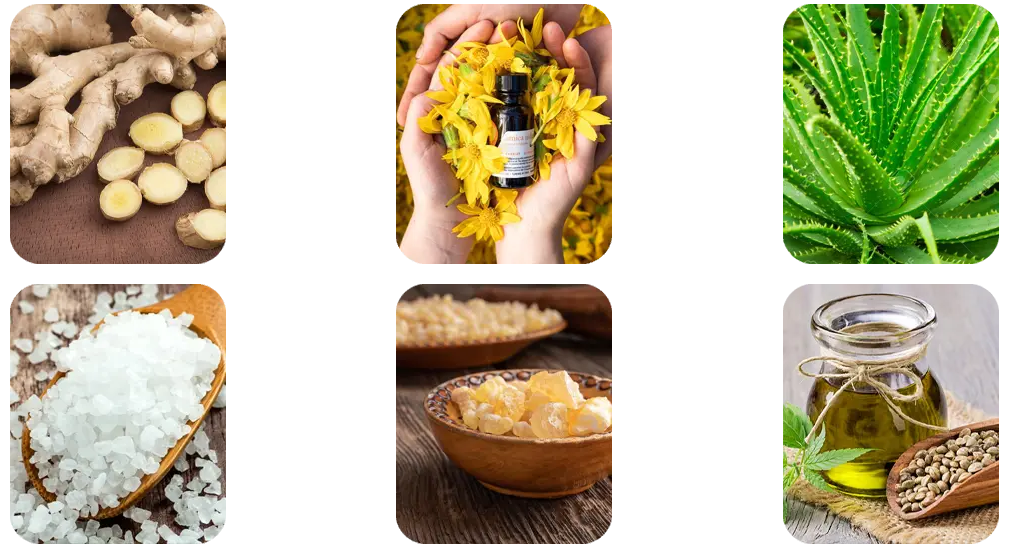
For over 1,000 years, traditional healers across Asia used botanical combinations to treat what they called “wind-cold-dampness” in the joints — their term for arthritis, inflammation, and circulation problems.
The key ingredients appeared repeatedly across different dynasties and regions:
Ginger root and hemp seed oil (Indian frankincense) to restore blood flow
Arnica oil and aloe vera to calm overactive nerves
Shea butter and Epsom salt to repair cellular damage
MSM to strengthen connective tissue
But here’s what Western researchers missed for decades: these ingredients only worked in a specific concentration ratio.
“An excess of Indian frankincense negates the other benefits. A lack of ginger does not improve circulation. The ideal ratio between the eight main ingredients should be approximately 4:2:1.”
When Western pharmaceutical companies took over pain treatment in the 20th century, these precise formulations were largely abandoned.
The knowledge survived only in scattered medical texts and among elderly practitioners who learned from their teachers.
Until recently.
Researchers Recreate Ancient 4:2:1 Botanical Ratio That 14,000 Users Say Works Better Than Prescriptions
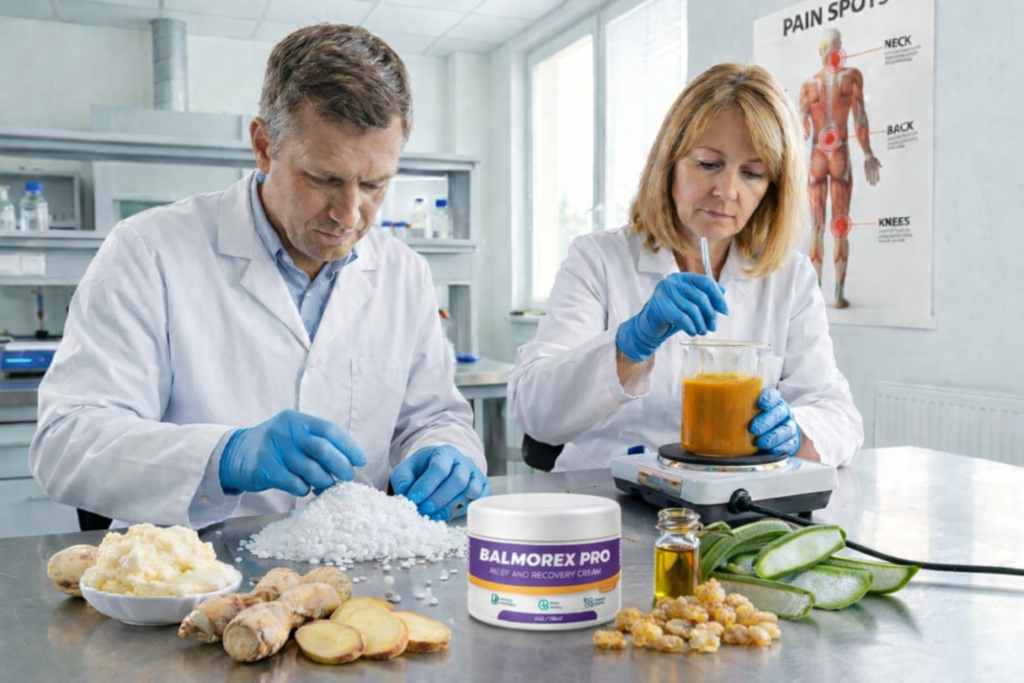
After years of studying traditional formulations, a team of botanists and pain researchers recreated the precise 4:2:1 ratio that ancient texts described.
- Ginger root and hemp seed oil (Indian frankincense)in the exact ratio documented in Song Dynasty medical texts to restore circulation within 20 minutes
- Shea butter and Epsom salt at the concentration Ayurvedic texts specified for nerve pain (used since 500 BC)
- Arnica oil and aloe vera — European folk medicine staples for over 400 years — to protect and repair joint tissue with clinically-proven antioxidants
- MSM to support structural integrity of cartilage and connective tissue
All in a smooth, non-greasy balm that absorbs quickly and starts working within 5-10 minutes.

What You’ll Actually Feel (And When)

Here’s what over 14,000+ verified users shared about their experience:
In 5 to 10 minutes: A gentle, refreshing sensation provided by aloe vera and arnica oil. This not only masks discomfort but also begins to improve blood circulation and relax the nerves.
Within 20 minutes: Noticeable reduction in stiffness. Your knee bends easier. Your shoulder lifts without that catching sensation. This is the circulation improvement taking effect.
After 3-5 days of twice-daily use: Morning stiffness duration drops significantly. You’re not spending 30-45 minutes waiting for your joints to “warm up” before you can move normally.
After 2 weeks: Sustained reduction in baseline pain levels. You’re moving more freely throughout the day. Tasks you’d been avoiding — stairs, gardening, playing with grandkids — become possible again.
After 30 days: Users report an average 61% reduction in joint pain intensity, reduced reliance on pain medications, and improved sleep quality (because nighttime pain flare-ups decrease).
Why Your Current Pain Relief Isn’t Enough
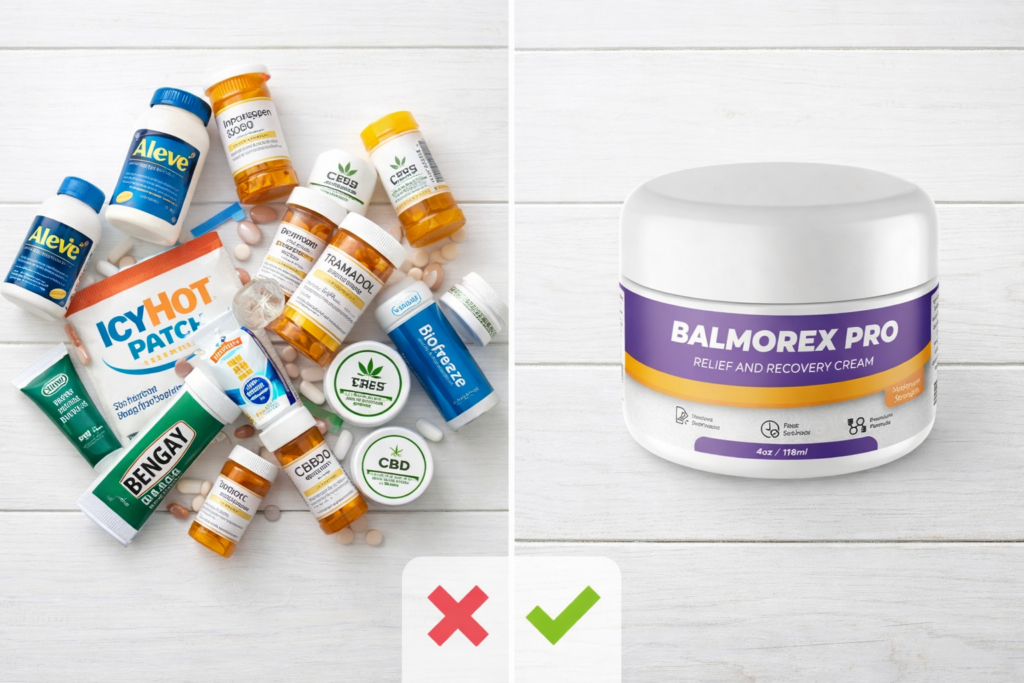
Let’s take a look at what you’re probably using now (or thinking of using):
NSAIDs (Advil, Aleve, prescription anti-inflammatories): They work temporarily, but they don’t improve circulation or calm nerve signals.
Plus, long-term use damages your stomach lining and kidneys. If you’ve been taking them daily for years, your doctor has probably warned you about this.
Topical analgesics (Icy Hot, Bengay, Biofreeze): These create sensations that temporarily distract from pain. Once the cooling or warming sensation fades, your pain returns unchanged.
Prescription pain medication: Blocks pain signals in your brain. Effective, but doesn’t heal anything. You’re dependent on it indefinitely, and the side effects — constipation, dizziness, dependency risk — compound over time.
CBD creams: May help with inflammation and nerve pain for some people, but the concentration and quality vary wildly between brands.
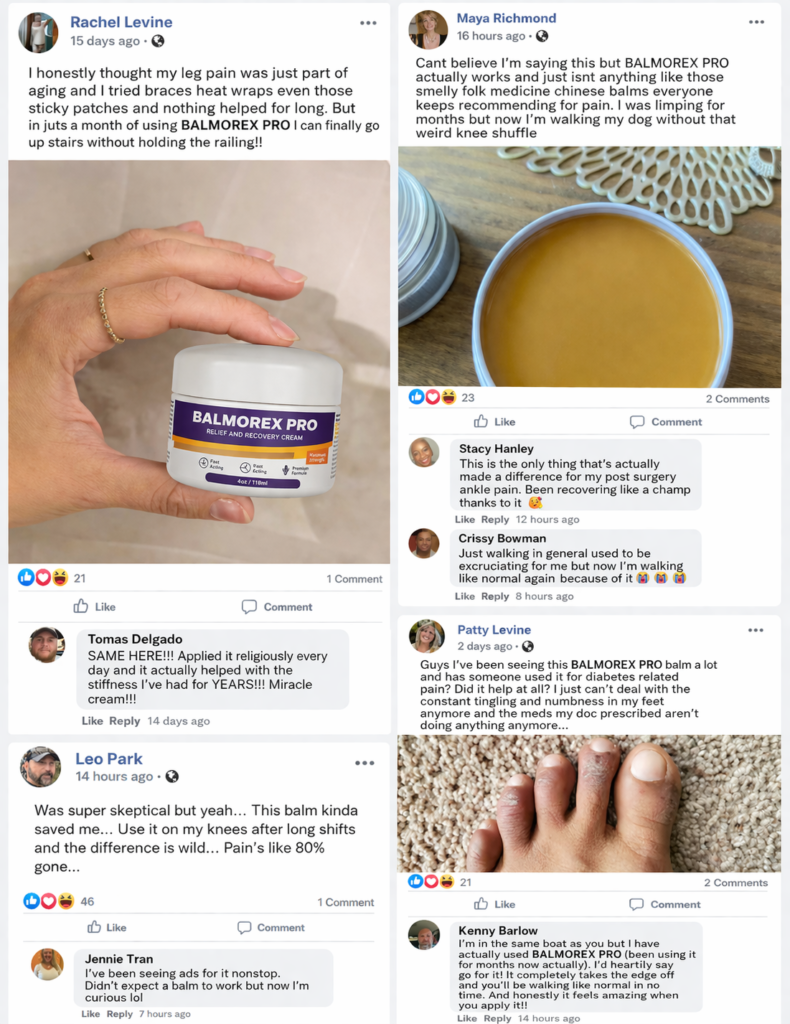
What People Are Sharing About Balmorex Pro:
Why This Won’t Bankrupt You Like Everything Else
Let’s talk about what chronic pain actually costs:
If you’re taking prescription anti-inflammatories, you’re spending roughly $150-250 per month, even with insurance.
Add in the Omeprazole or Prilosec you need to protect your stomach from those same medications — another $20-30.
Physical therapy co-pays? $40-60 per session, twice weekly, for months.
Most people with chronic joint pain spend $300-500 monthly managing their condition. Over a year, that’s $3,600-6,000.
Right now, Balmorex Pro is available for $79 per jar. But most customers choose the bundle deals. The 3-jar pack reduces the cost to $59 each, while the 6-jar bundle drops it to only $49 per balm.
That’s less than the cost of a cup of coffee per day.
And unlike medications that you’ll need indefinitely, many users find they can reduce frequency once their baseline pain improves — sometimes applying only once daily or even as needed rather than constantly.
Current Stock Situation (And Why You Should Order Now)
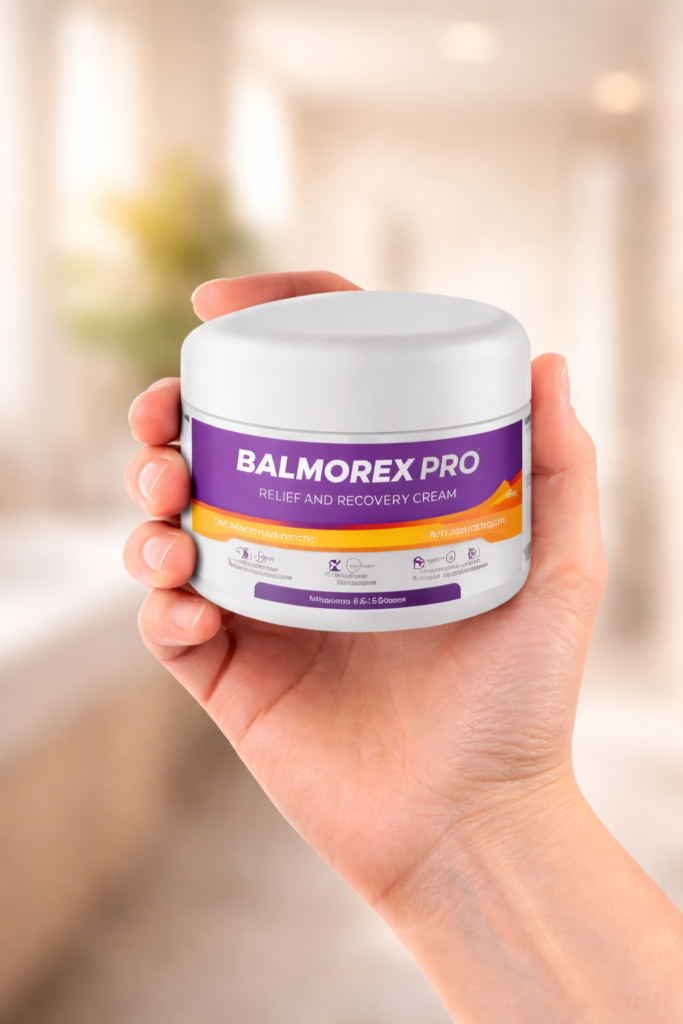
And you can get an even bigger discount if you choose to stock up (or buy one for your loved ones too).
This isn’t a fake scarcity tactic. Due to high demand for botanical-based topical formulas, inventory is limited.
Balmorex Pro is rotating packaging batches, which means current stock needs to be sold before the new batches arrive.
Once current inventory sells out, the sale ends and prices return to $79 per jar.
For context: even at $79, it’s cheaper than monthly prescription costs. At $49, it’s less than what most people spend on a single week of pain medication.
But stock at the sale price is limited to current inventory.
Who This Is For (And Who It’s Not For)
Balmorex Pro works best if you:
- Have chronic joint pain in knees, back, shoulders, or elbows
- Experience morning stiffness that takes 20+ minutes to improve
- Deal with arthritis, tendonitis, or old injuries that flare up regularly
- Want to reduce or eliminate daily oral pain medications
- Struggle with nighttime pain that disrupts sleep
- Have tried standard creams and prescriptions without lasting results
This may not be right if you:
- Have open wounds or active skin conditions in the affected área
- Are allergic to botanical ingredients (check the full ingredient list first)
- Have pain from a recent acute injury (see a doctor first)
⚠️A Warning About Counterfeits (And Why the Formula Matters) ⚠️
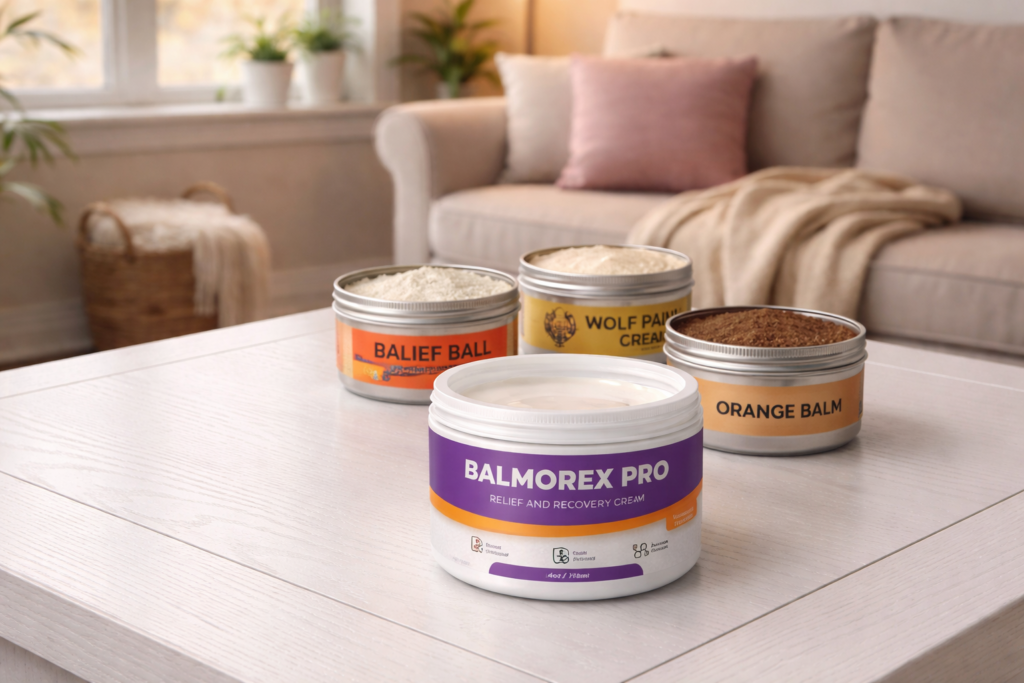
Similar packaging. Bold claims. But not the same formula.
The counterfeits? Diluted compounds that smell similar but lack the correct ratios—which means they don’t deliver results.
Another thing to mention is that these third-party sellers don’t honor the 60-day guarantee.
The official Balmorex Pro website is the only authorized seller. That’s the only way to ensure:
- The genuine 4:2:1 formula with clinical-grade ingredients
- Fresh product (not warehouse stock sitting for months)
- The full 60-day money-back guarantee
- Proper storage and handling that preserves ingredient potency
As of — After Balmorex Pro gained widespread attention in physiotherapy and senior wellness communities, consumer demand has exceeded all manufacturing projections. The company is offering a one-time, first-time-buyer 65% discount to clear current inventory before new FDA labeling requirements take effect—but only while stock remains available.
Disclaimer: Balmorex Pro is a topical botanical product and is not intended to diagnose, treat, cure, or prevent any disease. Results may vary. Consult your healthcare provider before discontinuing any prescribed medications.

- Balmorex Pro.com